SSD-D Series – Desktop RFID Readers

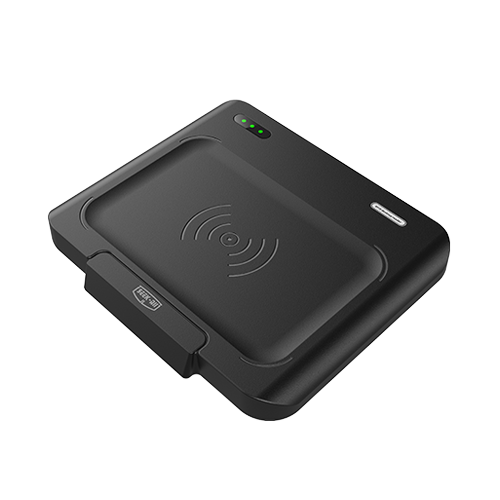
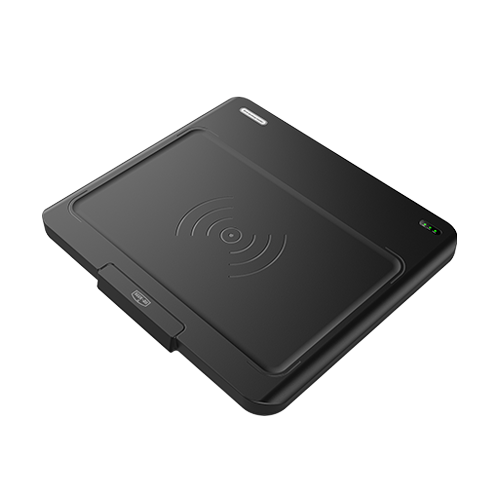
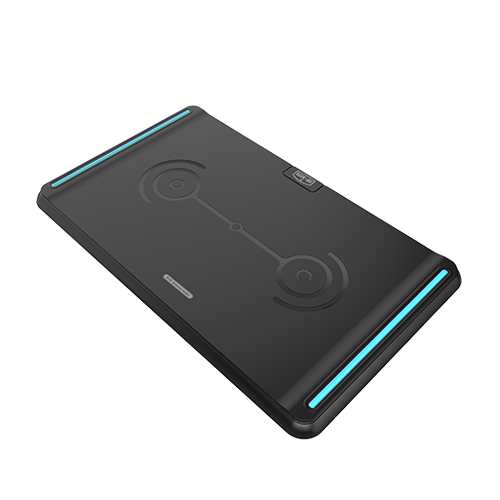
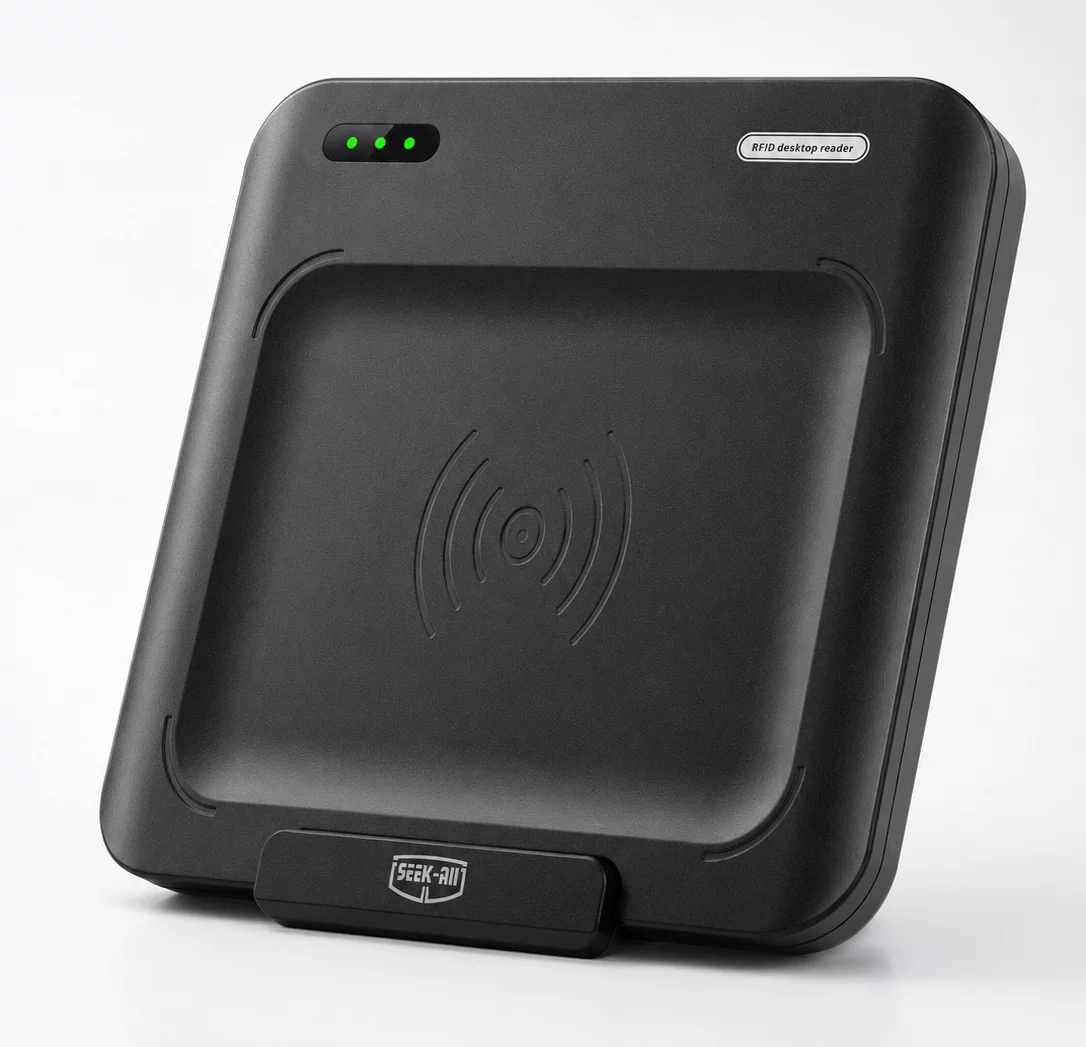
Powered by Impinj E710/X3M1 chipsets, SSD-D series desktop readers deliver reliable short‑range UHF performance with adjustable power and frequency hopping. Supporting EPC C1G2 and ISO18000‑6B/C protocols, they feature keyboard emulation for instant tag data export to any PC application. SSD-D readers are ideal for retail checkout, asset registration, document tracking, library management, and production line quality control.

Multi‑Protocol SupportSupports EPC C1G2 and ISO18000-6B/C protocols, and is compatible with various labels and systems.

RSSI Signal IndicationPerceived signal strength for each tag – helps optimize reader placement and read zones.

Antenna StatusAuto‑detects antenna connection status and prevents read failures from faulty cables or ports.

Dense Tag ReadHandles dense tag populations with high‑efficiency anti‑collision and stable throughput.

SSD-D Series Desktop Readers for Everyday RFID Tasks

SSD-D series desktop readers connect via USB to any PC, delivering reliable short-range UHF read/write performance for asset tagging, inventory counting, document tracking, and retail checkout. Powered by Impinj E710/X3M1 chipsets, they support EPC C1G2 and ISO18000-6B/C protocols with USB-HID plug-and-play simplicity.

SSD-D1AL

Purpose: Space-saving design for countertops and small workstations
The SSD-D1AL is the smallest in the series with a 180mm footprint. It delivers full read/write capability in a compact form factor, making it ideal for retail checkout counters, front-desk asset registration, and library circulation desks where workspace is limited.

SSD-D3AL

Purpose: Balanced size for shelf counting and general-purpose use
The SSD-D3AL features a 370mm reading surface, offering a larger read zone than the D1AL while maintaining a manageable desktop footprint. It is well-suited for warehouse shelf counting, incoming goods inspection, and production line quality checks where moderate tag volume and workspace efficiency are both important.

SSD-D4AL

Purpose: Maximum read zone for high-volume and bulk-item handling
The SSD-D4AL is the largest in the series with a 600mm reading surface, designed for high-throughput environments. It handles bulk tagging, large-item registration, and batch processing of multiple tagged items in a single pass – ideal for distribution center receiving desks, industrial workstations, and pallet-level inventory checks.
Foundation

What Is a USB RFID Reader?

A USB RFID reader is a compact desktop device that combines a UHF reader module and an internal antenna into one unit. It connects directly to a PC or laptop via USB, drawing power from the port – no external adapter needed. It brings industrial-grade RFID read/write capability to everyday desktop tasks such as asset tagging, inventory counting, and data encoding.
Design: Integrated reader and antenna in a single housing – no external cabling or separate antenna installation required. Ready to use out of the box.
Connectivity: USB-HID with keyboard emulation – no drivers needed. Tag data outputs as keystrokes to any PC application. No SDK, no custom coding.
Chipset: Powered by Impinj E710 / X3M1, supporting EPC C1G2 and ISO18000-6B/C. Read range 0–30 cm, write range 0–15 cm – stable and consistent.
Intelligence: Anti-collision and data filtering for dense tag populations – read hundreds in one pass. RSSI per-tag signal helps optimize placement; antenna detection prevents read failures from damaged cables.

Why SSD‑D Series? Designed to Solve Partner Problems.

SSD‑D desktop readers give you reliable short‑range UHF performance without integration headaches. They work out of the box, keep your clients satisfied, and help you close more projects with less effort.
Driver‑Free, No SDK Required
Low Integration Complexity
Batch Processing & Tag Filtering
Straightforward Operation Control
Adapts to Complex Environments
Compliance Overview

Certified for Safety, Reliability, and Long-Term Use

SEEKALL products are certified for industrial and commercial RFID deployments – where safety, durability, and compliance are non-negotiable. The standards below validate their performance in real-world conditions.

CE

Products meet CE marking requirements for health, safety, and environmental protection standards – mandatory for all units sold within the European Economic Areas.

FCC

Certified under US FCC regulations for electromagnetic interference and radio frequency emissions – ensuring safe operation without disrupting other devices.

RoHS

Production complies with EU RoHS Directive 2011/65/EU – restricting lead, mercury, cadmium, and other hazardous substances in all components and materials.

ISO 9001:2015

Certified quality management system covering design, production, and after‑sales service – with regular third‑party audits for consistent quality control.
Decision Framework

When Should You Choose a USB RFID Reader?

✓ Good Fit
Choose a USB RFID Reader When…
Your workstation is fixed — office desk, retail counter, library desk, or warehouse bench.
Space is limited — compact footprint fits tight areas without bulky mounting or external antennas.
Quick deployment matters — plug into a PC and start reading within seconds.
Tag volume is low to moderate — batch processing of 10–100 tags per session.
Integration must be simple — keyboard emulation works with any existing software.
Portability for multi‑site use — lightweight, easy to move between locations.
Poor Fit
Don‘t Choose a USB RFID Reader When…
Read range beyond 30 cm is required — USB readers are designed for close‑range desktop use only.
High‑speed conveyor or portal reading — fixed industrial readers handle moving tags better.
Continuous 24/7 operation in harsh environments — industrial readers have better cooling and sealing.
Multiple antennas or large coverage zones — USB readers have one internal antenna with fixed pattern.
You need to write large amounts of data to tags — writing is possible but slower than industrial models.
Note For Partners: For projects with mixed requirements, a USB reader works well for tag initialization and spot checks, while fixed readers handle production‑line or portal‑level reading.
Side-by-Side Comparison

USB Desktop Readers vs Fixed Industrial Readers

Key performance and practical differences to guide your purchasing decision.
Criteria USB Desktop Readers (SSD-D Series) Fixed Industrial (SSD‑R Series)
Weight
Light
0.3–3 Kg, easy to move between workstations
Moderate
1.2 Kg, aluminum body, mountable by four screw holes
Antenna
Built‑in
single internal antenna, no external cabling or tuning
External
4/8/16 antenna ports (TNC for R4L/R8L, SMA for R16L)
Read Range
Short
0–30 cm, designed for close‑up desktop use only
Long
0–20 m, covers conveyors, portals, and warehouse aisles
Connection
USB‑HID
plug‑and‑play, no driver, keyboard emulation to any PC app
Ethernet / RS232
standard; optional WiFi, 4G, or POE
Setup Time
Fast
minutes from unbox to first read, no engineering overhead
Moderate
requires mounting, cabling, and network configuration
Multi‑Antenna
None
single internal antenna, one read zone per unit
4–16 Ports
supports multiple antennas per reader, covers wide areas and multiple zones
Integration
Simple
keyboard emulation works with existing software, no coding needed
Flexible
supports TCP, HTTP, MQTT; SDK available for system integration
Environment
Indoor
clean offices, retail counters, and warehouse desks
Industrial
-20°C to +60°C, 5%–95% humidity, aluminum housing
Use Cases
Desktop
asset registration, document tracking, retail checkout, spot inventory
Industrial
conveyor sorting, dock door receiving, vehicle tracking, warehouse portals
Unit Cost
Lower
affordable entry for trials, small‑scale, or mobile deployments
Moderate
scalable from 4 to 16 ports, fits small to large deployments
Size Options
3 Sizes
180mm, 370mm, 600mm – fits any desk, shelf, or workstation
Single Size
216×246×41mm, same chassis for all port configurations
USB READER WEIGHT

0.3–3 Kg

Lightweight for portable usage
READ RANGE

0–30 Cm

Short‑range for desktops usage
FIXED READER PORTS

4 / 8 / 16

Multi‑ports for flexible usage
FIXED READER RANGE

0–20 M

Long‑range for industrial uses

Our Clients Reviews

Read how our partners succeeded with SEEKALL.

Michael Torres

Sales Director, OmniChannel RFID Supply

"

Retail Inventory & Checkout Deployment
We started supplying SSD-D3AL readers to boutique retailers last year. The USB plug‑and‑play saved their staff from IT headaches – no driver installation, no training. Store managers just plug it in, place items on the pad, and the POS pulls the tag data instantly. Our reorder rate hit 80% within six months.
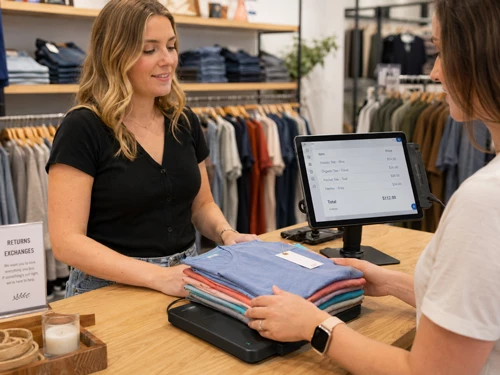

SSD-D3AL USB Readers (180 units) Project Amount: $72,000

Rebecca Thompson

Integration Lead, HealthTrack Solutions

"

Hospital Asset Registration System
We used SSD-D1AL readers for a hospital equipment tracking project. The small footprint fits nurses' stations perfectly. Keyboard emulation meant we didn't touch the hospital's existing software – it just worked. We registered 2,300 infusion pumps in two weeks, which would have taken months with barcode scanning.
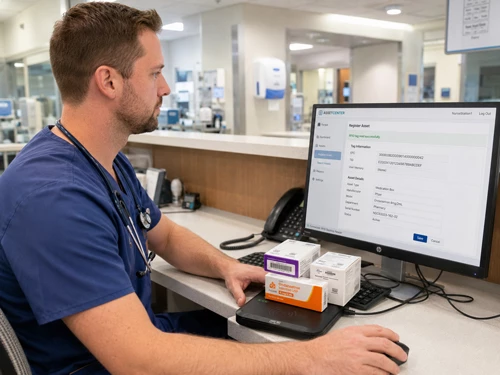

SSD-D1AL USB Readers (120 units) Project Amount: $45,600

David Kowalski

CTO, LibSoft Systems

"

Library Self‑Service & Document Tracking
Our library management software now supports SSD-D4AL readers out‑of‑the‑box. The RSSI feedback helps patrons position their books correctly on the pad, reducing read errors by 90%. The large 600mm surface handles multiple items at once – a feature our competitors simply don't offer.
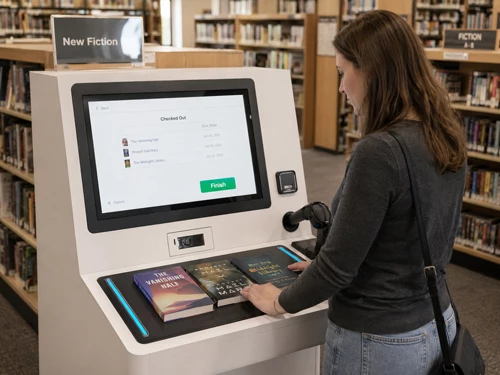
Long Range RFID Reader (220 units) | USB RFID Reader (360 units) Project Amount: $802,000
Got questions?

Common Questions
SSD-D Series

Thank you for your interest in our SSD-D series desktop readers. Here are some frequently asked questions that may be of interest to you:

View all FAQs

What are the MOQ requirements for SEEKALL products?

We do not enforce a strict MOQ for standard products. For first-time orders or trial projects, we accept small quantities. Volume pricing applies to larger orders. Custom models or OEM requests are subject to minimum quantities based on the scope of work. Contact our sales team for a quote tailored to your project size.

What is the typical lead time for SSD-D series orders?

Standard SSD-D series readers are regularly stocked in limited quantities for sample and urgent orders, with shipment within 3–5 business days for regions with direct air freight routes. Bulk orders are built against purchase orders – production, aging test, and quality inspection typically add 10–15 business days. Configurations with optional accessories may extend lead time by 2–3 days. Custom branding or firmware modifications require 2–3 weeks. All units undergo a 24-hour aging test before packing. We ship worldwide via DHL, FedEx, or sea freight. Tracking numbers are provided within 24 hours of dispatch. Shipping time varies by destination and chosen carrier.

Do you provide SDKs and technical documentation in English?

Yes. All SDKs, API references, and integration guides are provided in English. We also supply sample code for C#, Java, and Python. Technical documentation includes hardware specifications, command sets, and troubleshooting guides. All materials are available for download from our partner portal.

Can I get samples or demo units before committing to a bulk order?

Yes. We offer sample units at a discounted price, and the full sample cost is credited back to you on your first bulk order of 50 units or more. This lets you test the product in your own environment and demonstrate it to your end clients before you invest.

Are SEEKALL products certified for use in the EU and US markets?

Yes. All SSD-D series readers carry CE, FCC, and RoHS certifications. CE covers health, safety, and environmental requirements for the European Economic Area. FCC ensures compliance with US radio frequency emission standards. RoHS restricts hazardous substances in all components and materials.

What is the warranty and after‑sales support policy?

All SSD-D series readers carry a 12‑month standard warranty covering manufacturing defects. Technical support via email and remote session is included at no extra cost. For volume projects, we offer extended warranty options (up to 3 years) and on‑site repair services in major markets. Our support team responds to standard queries within 24 hours and prioritises urgent production‑stopping issues. We also provide a spare parts kit for quick field replacement.

Do you offer regional exclusivity or territory protection?

We operate a non‑exclusive distribution model in most regions. However, for partners who commit to significant sales targets and invest in local marketing, we are open to discussing exclusive rights for a defined territory or vertical market. Such agreements are reviewed annually and require joint business planning. Please speak to our channel director with your proposal.

What customisation options are available for SSD-D series?

We offer logo printing on the reader enclosure and custom packaging for qualified partners. Firmware modifications – such as preset output power, region‑specific frequency locking, or custom keyboard emulation formats – are available for volume orders. We also support OEM software integration assistance. Minimum quantities and lead times apply. Contact our OEM team with your specifications for a feasibility assessment.

Related USB RFID Reader Guides

SSD-D Series
This article is part of the SEEKALL Desktop Reader Hub — a complete resource covering every aspect of SSD-D series USB readers, from buying decisions to integration tips.

Ready to get started?

Let's talk about how you can increase revenue, automate operations, and improve customer experiences.

Global Certifications
Firmware Upgradable
Data Encryption