For sales assistance
describe your needs
* Tell us about your project or requirements. For general inquiries, reach out to us at contact@seekall.net, and we'll get back to you promptly.

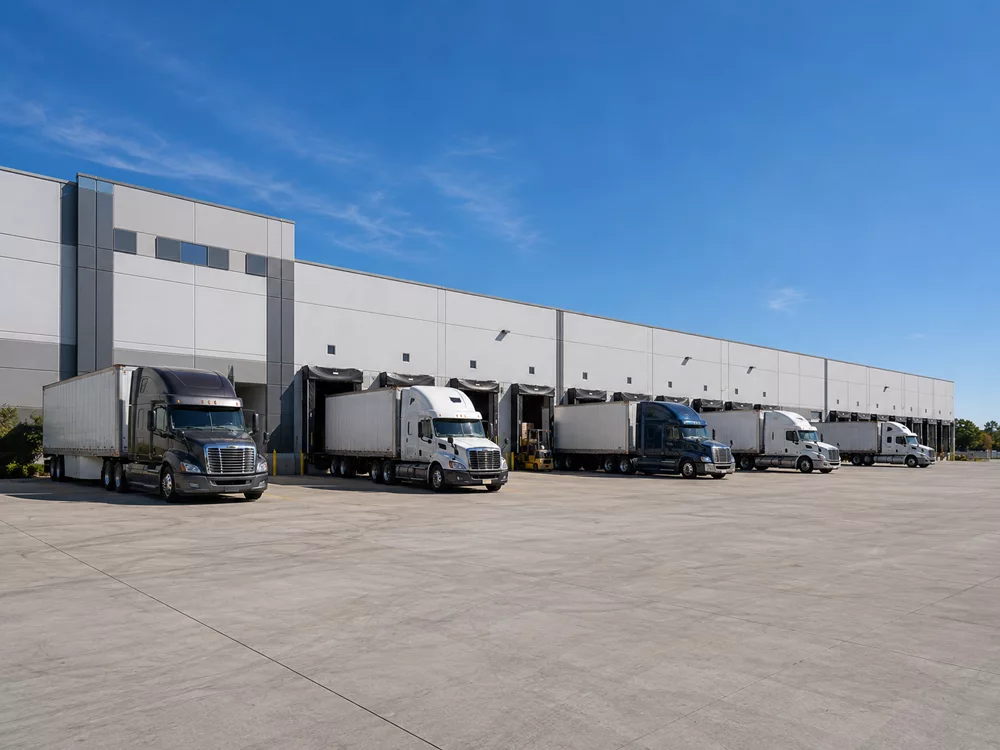
20,000+ items daily. SSD-R readers at six dock doors cut receiving time from 2 hours to 15 minutes per truck.
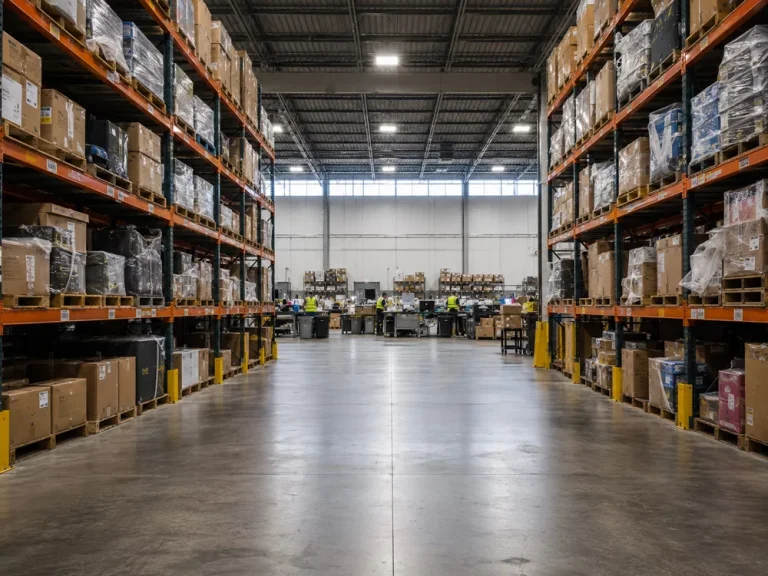
A large distribution center in the Midwest processes over 20,000 items daily, supplying retail stores across a five‑state region. The facility operates 24/5 with a steady flow of inbound trucks arriving throughout the day. During peak seasons, the receiving dock handles up to 40 trucks per shift.
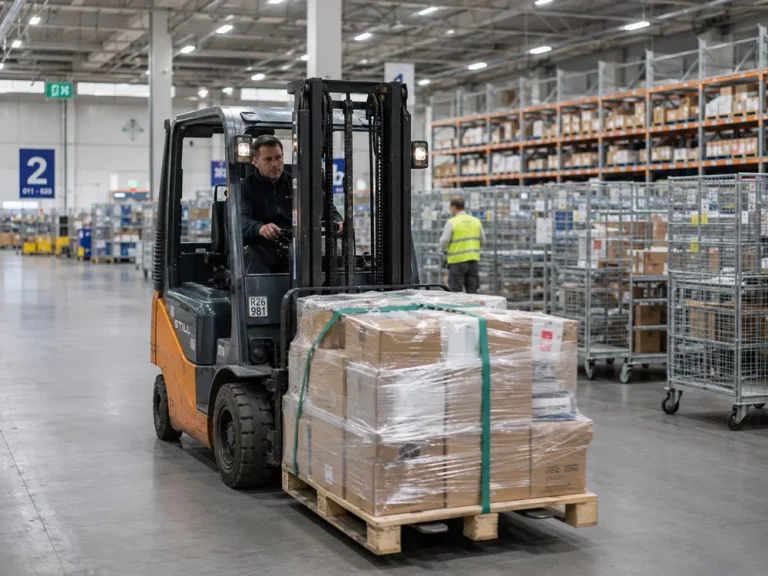
The receiving process relied entirely on manual barcode scanning. When a truck arrived, workers unloaded pallets and scanned each item individually using handheld terminals. A single truck carrying 800 to 1,200 items typically took 2 hours to fully process. During peak hours, trucks queued at the dock, drivers waited, and receiving staff worked under constant pressure to clear the backlog.
As order volumes grew, the manual process became unsustainable. The distribution center needed a faster receiving method that could keep up with volume without adding headcount.
The distribution center faced four critical problems at the receiving dock:
Slow processing speed – A single truck took 2 hours to receive, creating bottlenecks during peak periods. Trucks often waited 45 minutes or more just to back into a dock door.
Manual errors – Barcode scanning required line‑of‑sight alignment. Workers frequently had to reposition items, re‑scan damaged labels, or manually enter numbers. Error rates averaged 1-2% per shipment, leading to inventory discrepancies and supplier chargebacks.
Labor inefficiency – Each truck required two workers for the full duration of unloading and scanning. During non‑peak hours, the same staff had to remain on the dock to handle sporadic arrivals, resulting in underutilized labor.
Limited visibility – Inbound shipments were not visible to the warehouse management system until after full processing was complete. The operations team could not plan storage allocation or staging in advance.
The distribution center installed RFID portals at six dock doors.
Deployment configuration:
Each portal consists of one SSD-R4L fixed reader and four SSD-A series antennas — two mounted on the left pillar and two on the right pillar of the doorway, at different heights to cover the full range of passing pallets. As forklifts unloaded pallets from trucks and carried them through the portal, the readers automatically captured every RFID tag on each pallet.
The SSD-R4L’s four antenna ports match this deployment exactly — two on each side — eliminating the need for a higher‑channel reader and keeping costs under control.
How it works:
The system was integrated with the existing WMS through open APIs. No modifications were required to the core WMS — data was pushed directly into the receiving module using standard interfaces.
Key requirements for dock‑door receiving include high‑speed bulk reading, reliable performance in challenging RF environments, and full‑height coverage. The SSD-R4L portal solution was selected for the following reasons:
4 antenna ports, perfectly matched – Two antennas on each side of the doorway, using all four ports without redundancy.
High read speed – Processes over 600 tags per second, matching the pace of forklift unloading without creating delays.
Impinj E710 / X3M1 chipset – Delivers consistent sensitivity, handling weak tags or damaged labels that would otherwise cause barcode scanning failures.
Integrated portal design – Pillar‑mounted antennas on both sides ensure stable reads regardless of pallet orientation, minimizing blind spots.
Open SDK – Provided full integration flexibility. The development team completed WMS integration in under two weeks.
Six months after deployment, the distribution center reported measurable improvements:
Receiving time dropped from 2 hours to 15 minutes per truck – a reduction of approximately 87%. The bottleneck at the receiving dock was eliminated, and trucks no longer queued for doors.
Labor requirements reduced – One worker per dock door now handles receiving, compared to two previously. Staff previously assigned to scanning have been redeployed to put‑away and quality check roles.
Manual error rate reduced to near zero – RFID‑based receiving eliminated barcode alignment issues and manual data entry errors. The average error rate dropped from 1‑2% to under 0.1%.
Visibility improved – Inbound shipments are now visible to the warehouse management system as soon as they pass through the RFID portal. The operations team can pre‑assign storage locations, reducing put‑away time by an additional 20%.
Supplier chargebacks decreased – Accurate receiving data eliminated disputes over shipment quantities, improving supplier relationships and reducing administrative overhead.
The distribution center is now planning to expand the same RFID receiving system to two additional sites.
By deploying SSD-R4L fixed readers and SSD-A series antennas as integrated RFID portals at six dock doors, the Midwest distribution center transformed a manual, error‑prone receiving process into an automated, high‑speed operation. Receiving time dropped from 2 hours to 15 minutes per truck, manual errors were virtually eliminated, and inbound visibility improved across the operation. The solution required minimal changes to the existing WMS, proved reliable in dock‑environment conditions, and delivered clear operational benefits within the first year.